The Ministry of Planning, Economic Development and International Cooperation signs an agreement to extend Egypt’s Country Programme with the Organisation for Economic Co-operation and Development (OECD) until June 2026
18 January 2026
The extension aims to complete some activities and reports at the conclusion of the joint programme with the Organisation for Economic Co-operation and Development.
H.E. Dr. Rania Al-Mashat: The partnership with the OECD enhances the efficiency of public policies and the competitiveness of the Egyptian economy in line with the priorities of Egypt’s Narrative for Comprehensive Development: Reforms for Growth, Jobs & Resilience
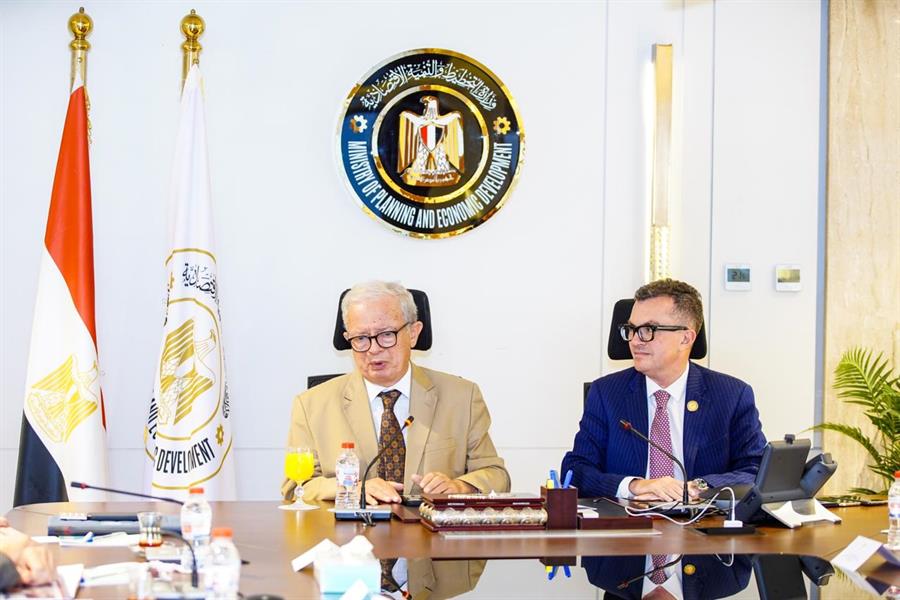
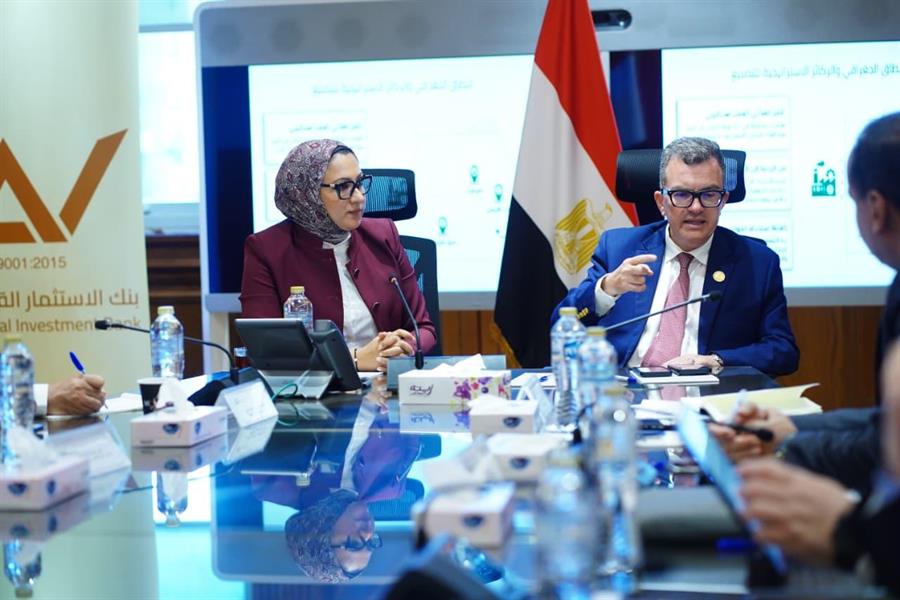
The Ministry of Planning, Economic Development and International Cooperation announced the signing of an agreement to extend Egypt’s Country Programme in partnership with the Organisation for Economic Co-operation and Development (OECD) for a period of six months until June 2026.
In this regard, H.E. Dr. Rania Al-Mashat, Minister of Planning, Economic Development and International Cooperation, affirmed that the extension aims to complete a number of activities scheduled during the first half of the current year, explaining the importance of the programme for Egypt at the national level, as it contributes to enhancing the efficiency of public policy formulation in a manner consistent with the State’s priorities and political will to improve the structure of the economy. In addition, it enables efforts to raise Egypt’s ranking in international indicators, thereby increasing its ability to attract foreign investment and creating a more competitive business environment, in line with Egypt’s Narrative for Comprehensive Development: Reforms for Growth, Jobs & Resilience, and enhancing the resilience of the Egyptian economy and its ability to face internal and external shocks and changes.
Al-Mashat added that the programme’s pillars are directly aligned with national targets related to economic growth, digital transformation, and good governance, pointing to the strategic cooperation with the Organisation, which resulted in its preparation of an integrated, objective, and comprehensive assessment of Egypt’s Narrative for Comprehensive Development. This assessment reviews the strong alignment between the objectives and pillars of the Narrative and the outputs of the programme and the Organisation’s technical committees, thereby strengthening alignment with the Organisation’s international standards and supporting the structural reform path adopted by the Egyptian State, foremost among which are clarity of the macroeconomic framework, focus on structural reforms, strengthening the role of the private sector and tradable sectors, in addition to the inclusion of quantitative targets that are subject to monitoring and evaluation.
The Minister of Planning, Economic Development and International Cooperation clarified that the programme contributed to a number of important outputs, most notably the Review of the Performance of the Egyptian Economy, which included a comprehensive assessment of the macroeconomy and fiscal policies and provided practical recommendations to improve the investment climate, support the transition toward a green economy, and enhance labor market efficiency. She also referred to the launch of the Review of Artificial Intelligence Policies, the Review of Green Growth Policies, as well as the Review of Entrepreneurship and Small and Medium-Sized Enterprises, which enhances the role of this important sector in economic development.
She added that work is currently underway to finalize the launch of a number of other reports, including the Business Dynamics Review, which provides a detailed database on company characteristics and their role in innovation and job creation; the Review on Enhancing Productivity with a focus on the industrial sector, which concentrates on boosting productivity and integration into global value-added chains; and the Review of Higher Education Policies, Innovation, and Women’s Economic Empowerment.
Al-Mashat affirmed that the Ministry of Planning, Economic Development and International Cooperation places great importance on following up on what has been achieved within the programme and incorporating the recommendations within the pillars of the structural reforms programme, in addition to coordination with the various ministries and authorities to ensure effective implementation and maximize the benefit from all outputs. This contributes to consolidating the State’s efforts toward implementing structural reforms and sustainable economic development through developing institutional capacities and enhancing integration among different sectors, in line with Egypt’s Narrative for Comprehensive Development: Reforms for Growth, Jobs & Resilience and Egypt Vision 2030.
-

-

-

-
 copied successfully